Laser Cut Kids Number Game Board: A Designer’s Review for Brand Marketing
First Impressions: A Playful, Precise Design Asset
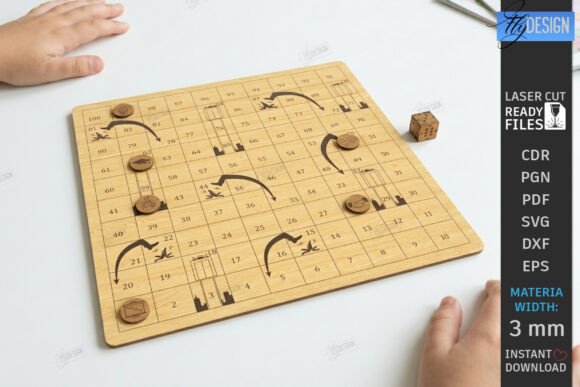
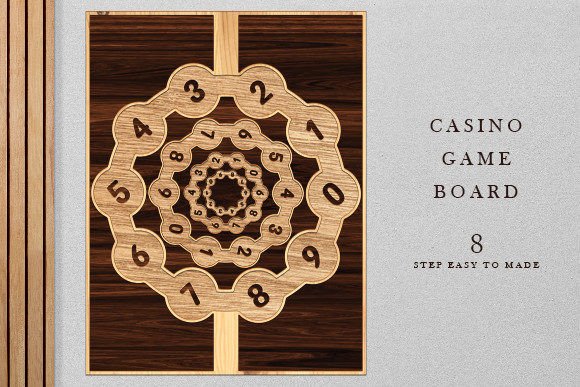
As a brand designer and content marketer, my first reaction to the laser cut kids number game board was immediate: this is a design asset that blends structure with creativity. The layered layout files feel intentional—designed not just for visual appeal, but for real-world application in both digital and physical formats. It gives off a handmade yet modern vibe, making it ideal for brands that want to feel approachable, intelligent, and just a little bit whimsical.
The precision of the laser-cut design translates well into digital formats, and it's clear that the creator understands how to translate physical design into scalable digital assets like SVG and PNG files. This versatility makes it a strong contender for small business branding and creative content marketing.
Emotional Tone & Audience Perception
This design asset naturally aligns with playful, educational, and family-friendly brands. It carries a sense of childlike curiosity without feeling overly childish, which is a delicate balance to strike. For brands in the kids’ market, educational tools, or even creative DIY niches, this asset reinforces a feeling of learning through play.
It works best for lifestyle content creators, small toy or learning product brands, and businesses that want to inject a bit of tactile charm into their digital presence. It’s not suited for formal or luxury branding, but could be a standout in seasonal campaigns or limited-time offers that target parents and educators.
Real-World Use: From Pinterest to Packaging
In a recent campaign for a small business launching a line of educational wooden toys, I used the laser cut kids number game board as a recurring visual motif. It worked beautifully across multiple touchpoints:
- Social media graphics – Especially effective for Instagram stories and Pinterest pins where visual clarity and thematic consistency are key.
- Email banners – Added a subtle branded texture that supported the campaign without overwhelming the message.
- Packaging inserts – Printed as a small decorative element on the inside of a product box, enhancing the unboxing experience.
- Canva templates – Easily adapted into reusable design kits for clients who need to maintain visual consistency across blog graphics and digital ads.
It also performed well as a background pattern in digital ads, where it added visual interest without competing with the call-to-action. However, I found that in text-heavy formats or on mobile-optimized layouts, it needed to be scaled back or used as a subtle accent rather than a dominant feature.
Supporting Branding Goals with Laser Cut Design
From a branding perspective, the laser cut kids number game board helps achieve several key goals:
- Stronger first impression – Its unique design immediately sets your content apart from generic templates.
- Visual hierarchy – The layered layout naturally guides the viewer’s eye, making it great for hero graphics and landing page headers.
- Brand consistency – When used across multiple formats (digital and print), it creates a unified look that reinforces recognition.
- Emotional connection – The playful, educational tone builds trust with parents, educators, and creative entrepreneurs.
It’s especially effective in campaigns that aim to educate, inspire, or entertain—perfect for content creators building a brand around learning through creativity.
Where This Design Asset Shines
This asset is a standout in the following use cases:
- Hero graphics – Use as a background or framing element to create a memorable visual hook.
- Campaign headers – Ideal for blog headers, email newsletters, and website banners.
- Product launch visuals – Especially for kids’ products or educational tools.
- Branded templates – Add to Canva kits, social media calendars, and digital design bundles.
- Promotional banners – Works well in both print and digital formats for seasonal sales or limited-time offers.
It also pairs beautifully with illustrative brand identities and complements handmade packaging or print-on-demand products.
Where to Use It Carefully
While versatile, this asset isn’t a one-size-fits-all solution. Use it with caution in the following contexts:
- Formal corporate branding – Its playful nature may not align with high-end or professional service brands.
- Dense information layouts – Can overwhelm text-heavy designs or complex infographics.
- Small mobile graphics – The intricate layers may lose detail on tiny screens.
- Low-contrast backgrounds – Ensure it doesn’t blend into the background or distract from key messaging.
Also, avoid using it in designs where it competes with the main message—this should support your content, not overshadow it.
Designer Notes: Practical Tips for Brand Integration
Before integrating the laser cut kids number game board into a live campaign, here are some practical steps to ensure it aligns with your brand:
- Test with your brand colors – See how it looks in your primary and secondary color palette. It should enhance, not clash.
- Check black and white usage – Print and digital formats often require grayscale versions. Make sure it still reads clearly.
- Place in real campaign mockups – Use it in actual layouts to see how it performs with other brand elements.
- Preview on mobile – Confirm it’s legible and impactful on smaller screens.
- Test readability at small sizes – Especially if you're using it in thumbnails or social media profile graphics.
- Compare with competitor visuals – Ensure it helps you stand out rather than blending in.
- Pair with different fonts – Try it with serif, sans-serif, script, and display fonts to see which combinations feel most cohesive.
- Review spacing and balance – Don’t overcrowd the design. Give it room to breathe visually.
- Confirm commercial licensing – Always double-check that you have the right to use the asset in paid campaigns, client work, or product branding.
Final Thoughts: A Strong Visual Tool for Creative Marketers
The laser cut kids number game board is more than just a decorative graphic—it’s a functional design asset that supports brand storytelling, audience engagement, and visual consistency. Whether you're a small business owner building a new product launch campaign or a content creator curating a digital design bundle, this asset brings both charm and structure to your visuals.
For marketers and designers looking to add a touch of playful professionalism to their brand toolkit, this is a solid choice. Just be sure to use it thoughtfully, test it thoroughly, and always align it with your brand’s tone and audience expectations.